2026.10, Kamikawa, Hokkaido
Finding Your Ikigai in Rural Japan: What It Really Means, and Where to Live It
Ikigai (生き甲斐) is the Japanese word for what makes life worth living. Outside Japan it is often drawn as a career diagram, but in Japan it is something quieter: the small, everyday things that make you feel alive. Here is what ikigai really means, where the famous diagram came from, and why a small town in Hokkaido is a good place to find yours again.
What ikigai means in Japanese
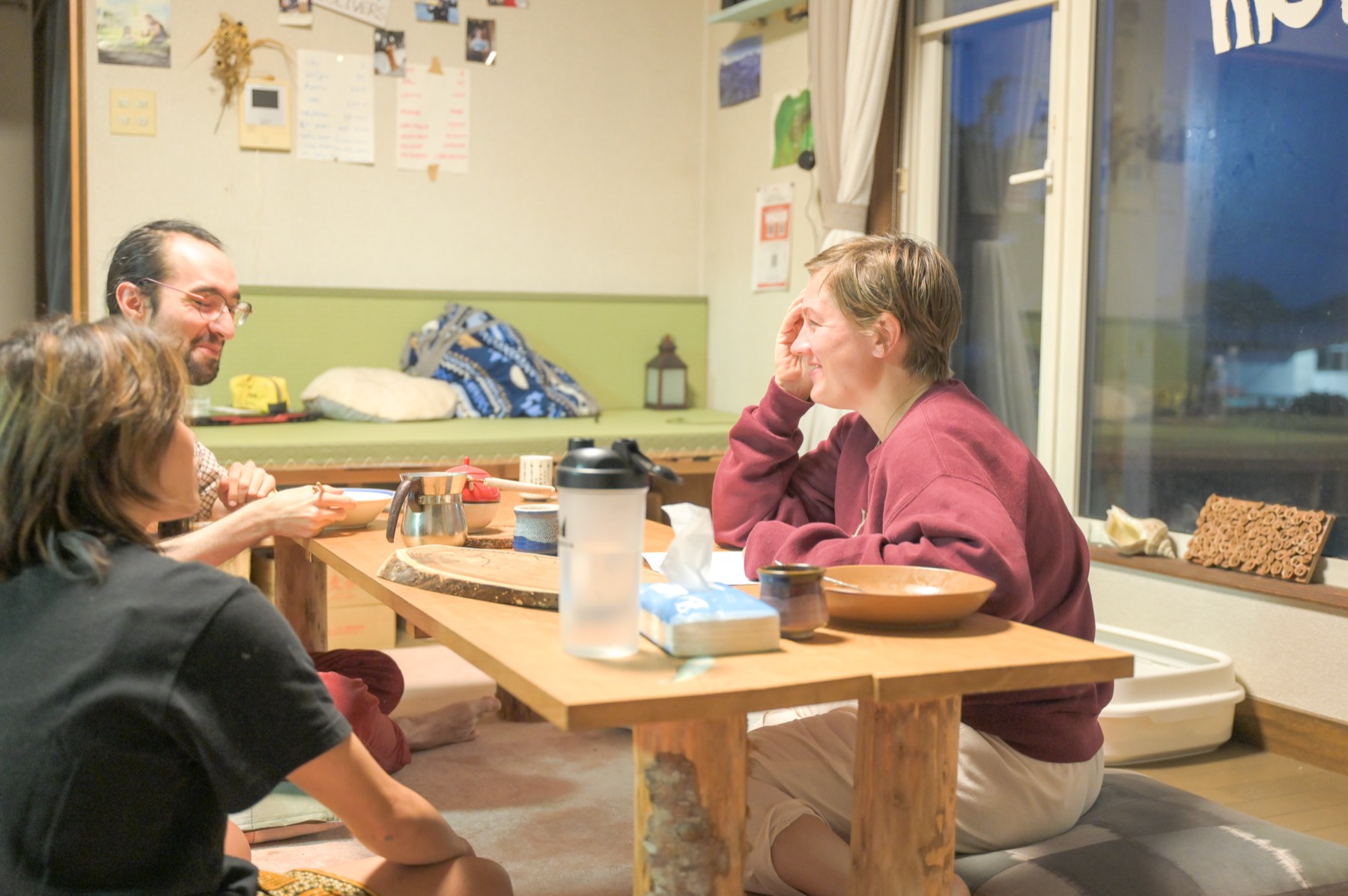
The word combines iki (生き), "to live", and gai (甲斐), "worth" or "value". Japanese people use it casually. An older woman might say her garden is her ikigai; a father might say it's his children; someone else might say it's the first coffee of the morning. It doesn't need to be grand, and it doesn't need to be a job.
The ikigai Venn diagram isn't Japanese
The four-circle diagram you have probably seen (what you love, what you are good at, what the world needs, what you can be paid for) did not come from Japan. It started as a Spanish "purpose" diagram, and in 2014 a blog post replaced the word "purpose" with "ikigai". It is a useful tool for thinking about a career, but it turns ikigai into a target to hit.
The Japanese sense is gentler. You don't have to find the one perfect intersection. You notice what already makes you feel alive, and you make room for more of it.
Two books worth reading
If you want to go deeper, two English books are a good start. Ikigai: The Japanese Secret to a Long and Happy Life by Héctor García and Francesc Miralles looks at daily life in Ogimi, Okinawa. The Little Book of Ikigai by neuroscientist Ken Mogi describes five pillars of ikigai:
- Starting small
- Releasing yourself
- Harmony and sustainability
- The joy of little things
- Being in the here and now
Notice how none of them are about a career. They are about how you live a day.
Why a small town in Hokkaido
It is hard to notice the little things in a city built for speed. Kamikawa, a small town at the foot of Daisetsuzan National Park, moves at a different pace. Winters are long and snowy, summers are short and green, and people still grow, cook and make things by hand. When you live here for a while instead of passing through, the five pillars stop being ideas and become your days: a morning walk in the snow, a meal cooked with neighbours, an evening in the onsen.
Ikigai in daily life at MOTO
MOTO Coliving is a small coliving guesthouse in Kamikawa, built as a place to live like a local and rediscover your ikigai. Alongside work, snow and onsen, guests can join seasonal culture experiences:
Guided visit to an Ainu chise
Meet Ainu people and learn about the culture of Hokkaido's Indigenous people, in a traditional house
Shodo (calligraphy)
Write your own or your family's names in kanji. Kakizome, the first writing of the year, in January
Woodcraft with Hokkaido wood
Make your own wooden plate or coaster
Mochitsuki (rice-cake pounding)
New Year only
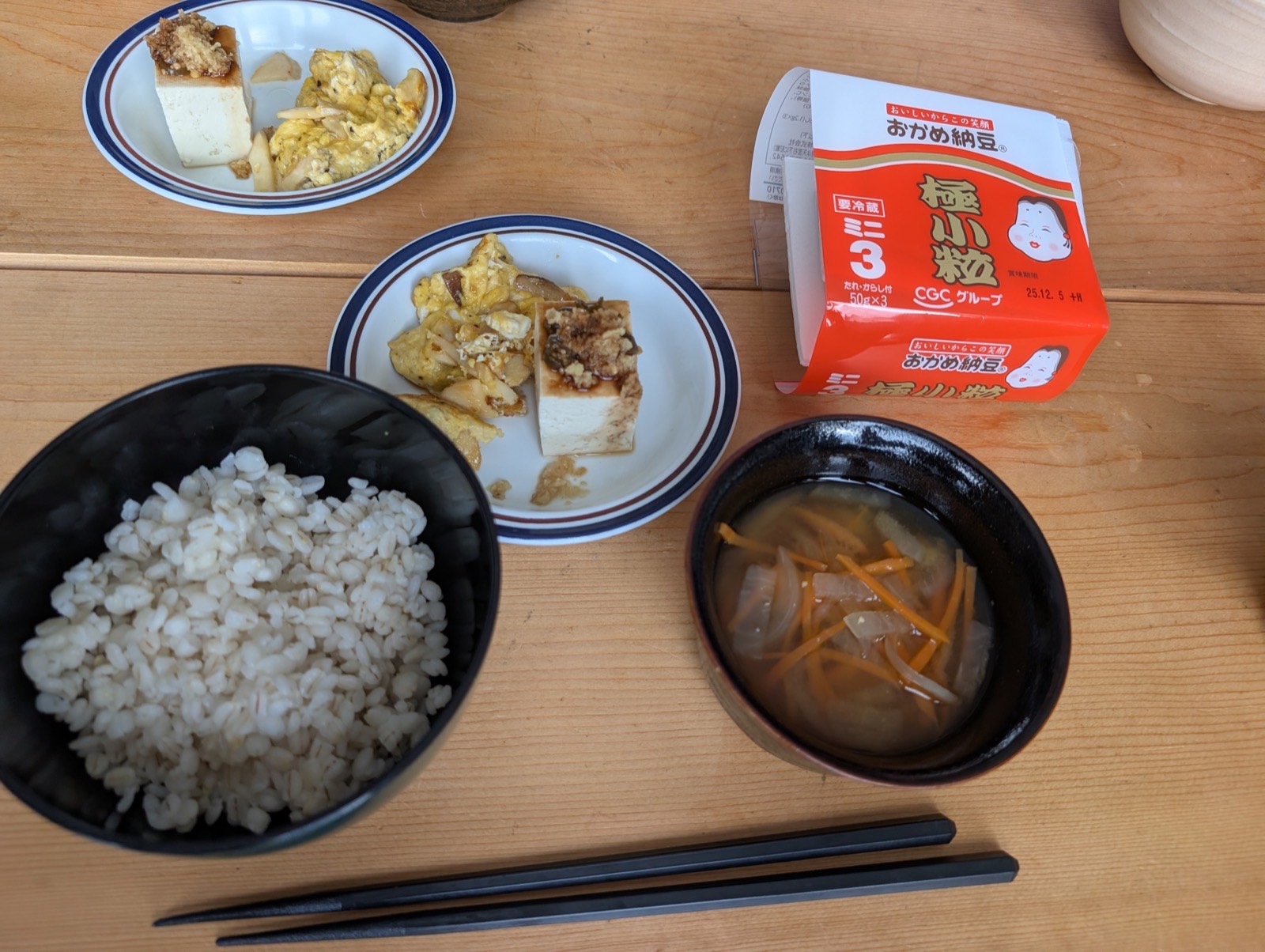
Japanese home cooking
Cook and eat together in the shared kitchen
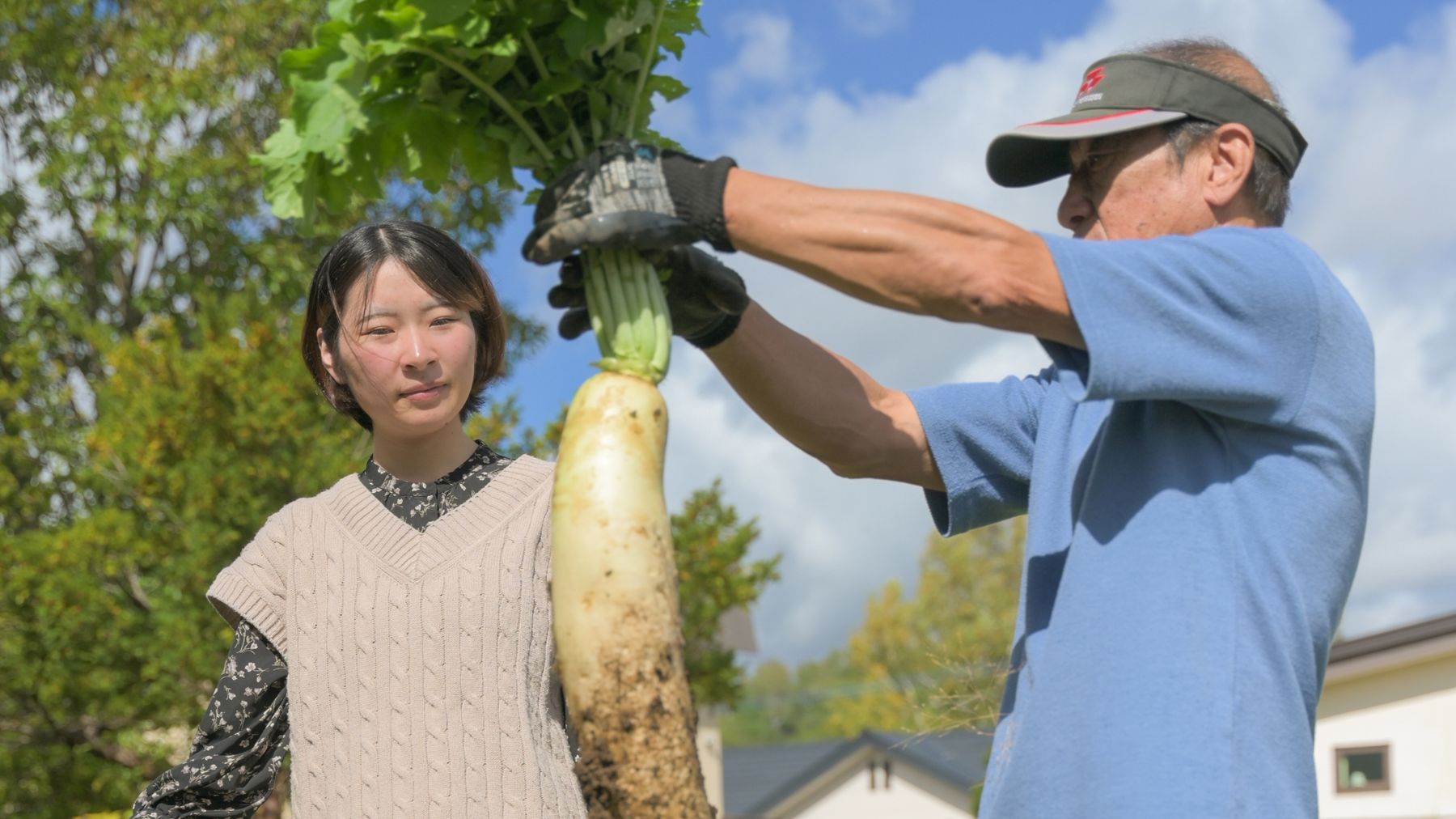
Farming and mushroom picking
Seasonal, with local people
Stories from guests
A software engineer from Italy, a former CTO who had built AI products, chose MOTO instead of Tokyo for his career break and his first trip to Japan. He stayed a whole snowy February, worked on his own research, helped design MOTO's logo, and made many Japanese friends at our international exchange events. In his words: "I got to know Japanese culture better by interacting with lots of local people, tasting their delicious food and learning about their traditions."
Another Italian CTO came for three weeks to understand Japan better, and ended up staying two months. And a French founder of a drone company in Martinique brought his 7-year-old daughter on their first trip to Japan, to a town most travellers never see. Together they visited the workshop of an Ainu artisan to learn about the culture, and his daughter tried skiing for the very first time at a nearby ski area, with Ayaka guiding and interpreting.
A simple practice for your stay
You don't need a workbook. Try this for a week: each evening, write down one small thing that made you feel alive that day, one thing you made or did with your hands, and one person you talked to. By the end of the week, you will usually see a pattern. That pattern is a good place to start looking for your ikigai.
FAQ
What does ikigai mean?
Ikigai (生き甲斐) combines iki, "to live", and gai, "worth" or "value". It means the things that make life feel worth living. In everyday Japanese it is often small and personal: a garden, a morning routine, time with grandchildren, a craft.
Is the ikigai Venn diagram Japanese?
No. The four-circle diagram (what you love, what you are good at, what the world needs, what you can be paid for) comes from a Spanish "purpose" diagram. A 2014 blog post replaced the word "purpose" with "ikigai", and it spread from there. In Japan, ikigai does not have to involve work or money.
Where can I experience ikigai in Japan?
Ikigai is not a sight to visit but a way of living, so it is easiest to notice in a slower place where you can join daily life: rural towns, small communities, places with strong seasons. MOTO Coliving in Kamikawa, Hokkaido is built around exactly that.
Do I need to speak Japanese?
No. Your host speaks English and Japanese and joins you in local activities and community events.
How long should I stay?
At least a week to settle into the rhythm. Many guests stay a month or longer on the Coliving Plan (14+ nights).